

Kilimanjaro
Kilimanjaro is not only the highest mountain in Africa but also the world’s tallest free-standing mountain. Within Tanzania, it stands at 5,895 meters (19,341 feet).
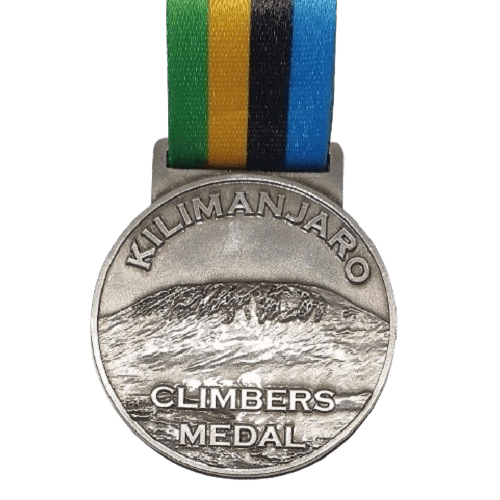
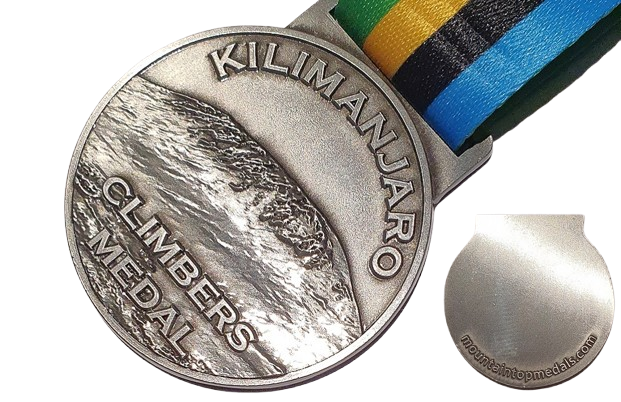
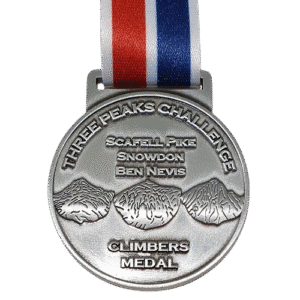
The medal is die-cast and crafted from zinc alloy with antique nickel plating and has a rugged look with the mountain and words themselves in 3D. The reverse of the medal is flat and suitable for engraving.
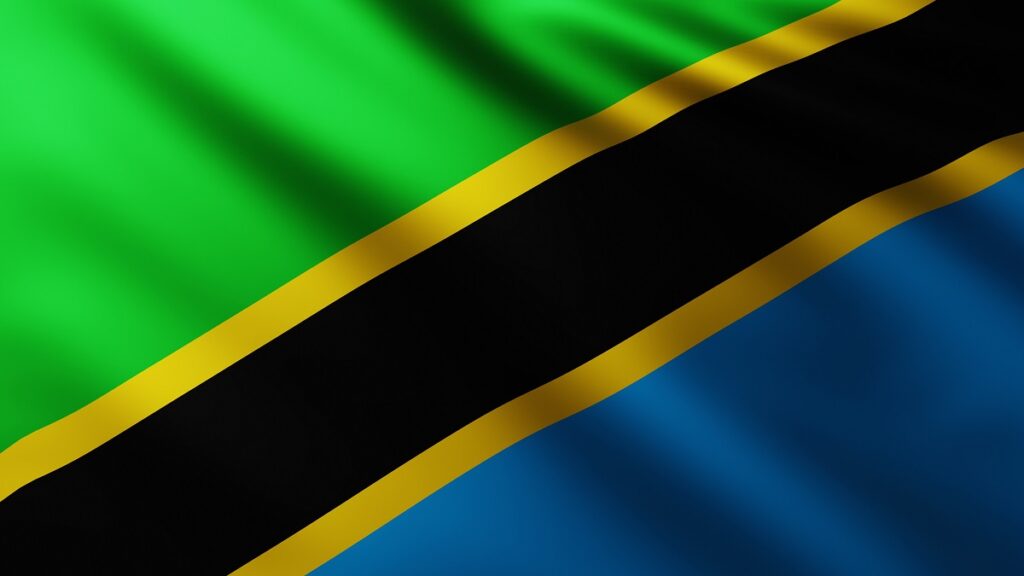
‘Tanganyika & Zanzibar’
Celebrating the Heritage of Tanzania
Our unique medal ribbon is 2.5cm wide by 45cm long (total ribbon size is 90cm) and the colour bands signify the flag of Tanzania.
The green symbolises Tanzania’s vegetation and agricultural resources, the black represents the Swahili people, the blue signifies the Indian Ocean, and the yellow fimbriations symbolise the country’s mineral wealth.
Celebrating the Heritage of Kilimanjaro
Geological Formation
Kilimanjaro is a dormant stratovolcano composed of three cones: Kibo (the highest, with Uhuru Peak), Mawenzi, and Shira. It formed around 1 million years ago due to volcanic activity along the East African Rift. The last major eruption occurred 360,000 years ago, with minor activity as recent as 200,000 years ago.
Early Human Interaction
● Indigenous Chagga people have lived around Kilimanjaro for centuries, farming its fertile slopes.
● Ptolemy (2nd century AD) and later Arab traders mentioned a “great snow mountain,” but it remained mythical to outsiders.
European Exploration
● 1848: German missionary Johannes Rebmann became the first European to report Kilimanjaro’s snow-capped peak, though his claims were initially dismissed.
● 1861-62: British explorer Baron Karl Klaus von der Decken attempted to climb it but failed.
● 1889: German geographer Hans Meyer and Austrian climber Ludwig Purtscheller, aided by Chagga guide Yohani Kinyala Lauwo, became the first to reach Uhuru Peak (then Kaiser-Wilhelm-Spitze).
Colonial Era & Modern History
● 1885-1918: Kilimanjaro was part of German East Africa before becoming British-administered Tanganyika.
● 1961: Tanzania gained independence, and the mountain became a national symbol.
● 1973: Kilimanjaro National Park was established.
● 1987: Designated a UNESCO World Heritage Site.
Climate Change & Tourism
● The mountain’s glaciers have shrunk by over 80% since the early 20th century due to climate change.
● Today, ~30,000 people attempt to climb Kilimanjaro annually, with routes like Machame and Marangu being popular.
Kilimanjaro remains an iconic natural wonder, blending geological marvel, cultural significance, and adventure tourism.



Reviews
There are no reviews yet.